
You can watch it here:
A tip of the keyboard to user motherboxing for cluing me in to this video's existence.
“I am not going to say that everything I have done… that I have no made mistakes. Absolutely I have made mistakes. Has there been a time maybe flights weren’t done on time that they had wanted? Maybe they said they wanted them by 30, 40, 50 days out and they weren’t done at that exact time. But did they have flights? Did they have hotels? Yes they did,” Daniels said.The entire report is by turns fascinating, frustrating and horrifying, and you can read the whole account here.
When asked if she felt bad about the fans who were left without any celebrities that they wanted to see she said, “”No, I don’t feel bad about that, we’ve done nothing to rip anybody off. They knew that when they signed up. They even had to click a box saying I understand this.”

It’s the soundwork that emphasizes their physicality of the characters, reminding us of the opening lyric of flesh and bone; we are cued not to think of these superheroes as 2-D comic book cutouts but as real three-dimensional bodies. The sounds of human effort are layered into the music with perfect synchronicity, so that we hear grunting, the crunch of bone, the crack of gunshots – things that mark the collision of people and things in a way that makes the fighting feel real; we can feel it in our teeth.
Dissecting lyrical interpretation is making the brushstrokes visible. Picasso did not paint the world as he saw it. He painted it as he processed it in the same way that vidders do. Vidding is a lie that makes people see the truth. When working through a lyrical interpretation of a vidsong, aim to make choices that strengthens that truth you are trying to vid and let that drive the lyrical interpretations.

 |
| Description: A cardboard box filled with home-made copies of VHS tapes and fansubs of Dragon Ball Z. |
[Ottowa's Anime Appreciation Society] which would host 20-30 person meetups in a community centre in suburban Ottawa—began watching Fushigi Yûgi, which ran from 1995 to 1996 in Japan... aimed at a teenage female audience, it was considered unlikely to succeed in North America so it wasn't initially planned for release here.
[A] popular fansub group at the time, Tomodachi, [released] subtitles were the preferred way of watching Fushigi Yûgi because of the special care they took in their translations.
But in early 1997, a competing group, Central Anime, allegedly made copies of Tomodachi's subs and released them under their own name. This was seen as bad form and a sort of dishonour among thieves. Tomodachi retaliated by refusing to release the show's final 20 episodes, which they had already finished subtitling, to anyone. Even though Tomodachi subs were much preferred, the club would have done anything to finish the series.
The Ottawa-Gatineau region now boasts its own bi-annual convention, G-Anime, the roots of which can be traced all the way back to the various anime clubs of the nineties. Anime fans of today have the scrappy warriors and fansubs of the nineties to thank.
 |
| Description: In a style parody of the cereal box for "Cap'n Crunch Oops! All Berries", Tracer from Overwatch appears in place of the Cap'n, bearing the name "Oops! All Lesbians" with the tagline "All the time, forever" beneath it and the legend "Contains all women loving women". |
The only stated relationship actually that we’ve even ever mentioned in the backstory is between Amelie who is Widowmaker and her husband who was brainwashed and assassinated. That’s the only reference we’ve ever made to a romantic relationship. It’s not that our characters don’t have romantic relationships and don’t have sexual identities or whatever, but the stance that we’ve sort of taken on the team is that we’re not going to talk about that stuff just to pander to the topic that when it comes out for game play or story reasons, that’s the right time for it to come out.Tumblr user hattersarts, creator of the Sapphic Overwatch fanzine, had this to say about the idea that explicitly saying a character in Overwatch is gay is pandering:
“There is the problem where people say ‘Well, we don’t want to make it about them being gay.’ Well no, we want that, if I’m honest. I want to know they’re gay! I want that, I want you to shove that down people’s throats. Until we get to a point where the world doesn’t care, I want it. We need to care.”Blizzard's coyness on the issue might be more than just well-intentioned fence-sitting. In a discussion of recent talks from DC Comics writers about Wonder Woman's sexuality on Metafilter, user rokusan had this to say:
I've been involved in (the periphery of) Hollywood projects working from source material featuring characters who are either straight or of unspecified orientation, who are then deliberately cryptoqueered in the adaptation. They're not made gay, explicitly, but there are deliberate attempts to both raise and muddy the question just enough ... It ends up possible to see the character(s) both ways, or multiple ways...What do you think, readers? As long as fans keep up the shipping, does it matter what Blizzard says? Or are unambiguous acknowledgment of gay or lesbian characters in Overwatch just as important for fans looking for representation and the series lore?
But it's not a social agenda effort, clever or offensive or otherwise. It seldom comes from the creatives at all. Rather, it's a calculated marketing trick from on high... The logic is that by toeing such a line, they can attract a wider audience, each of whom uses some kind of identity consumerism to see the thing they wish to see in the character(s). Double the sales, the thinking goes.
 |
| Description: the caption "this is a gamer" is displayed over a cartoon drawing of a woman with tied-back long hair, wearing a Triforce T-shirt, jeans, and sneakers. Next to her is a woman with loose long hair wearing a tank top, mini-skirt and heels, captioned "This is also a gamer." Below it reads "How you dress does not define how much of a real gamer you are. A gamer plays video games. The concept is not that difficult, you bunch of territorial turbo-nerds." |
"...there are women and poc and queer people who are fans and collectors and have an incredible wealth of knowledge and shouldn’t be treated like second-class citizens in fandom.
But it’s not because of that knowledge.
It’s because no one deserves to be treated badly or like they aren’t good enough just because they don’t meet your standards.
It’s because there are no standards for being a fan. There are no real fans or fake fans.
And even if you’re "not really" a fan? If you really do just like the tee shirt design or thought a costume was cool and decided to wear it? There’s actually no rule against that. You are not less of a human being for not knowing a lot about a character you dressed up as. You are not less of a human being for not knowing the secret identity of the superhero on the keychain you bought because she kind of looked like you.
 |
| A large sticker echoing the parental advisory labels on records that reads "Fandom Advisory: Fake Geek Girl" |
that kind of blew my mind. “I actually prefer violent video games,” wrote one. “It’s a great way to blow off steam after a stressful day at work. Completely doing away with violence in video games would make them really boring.” That’s all well and good, I think … except that I never suggested completely doing away with violence in video games. In fact, I didn’t really decry violence in video games at all, except to mention that there’s a lot of it, and it isn’t the most efficient vehicle for storytelling, and that maybe we should think about making new games with new mechanics that aren’t violence. So where were [they] getting this ridiculous interpretation from?The source, as Sheva outlines, is rooted in a sort of reflexive idea that any changes that would make gaming more accessible to a broader audience would mean that gaming as a hobby might be taken away from a group or maybe it would take something away some how. Sheva contends that :
...there’s this weird thing about the gaming community that’s a part of most permutations of geek culture: it’s incredibly exclusionary. There’s a lot of weird gatekeeping and geek policing that goes on; there’s a ton of unspoken expectations and rules for this behavior about who can be a part of the community and who can’t. If you’re a woman—and especially if you’re a queer woman, a woman of color, or both—you probably experience a lot of this firsthand... This gatekeeping behavior is rooted in the idea of women as interlopers and invaders. People love to act as if gaming was a boys-only treehouse by design... when we start talking about opening the gate—expanding the criteria by which we classify “gamers” to include everyone in the community the gate never opened wide enough to accommodate—people get uncomfortable. There seems to be this mentality that if the gaming community changes (that is, if it changes to acknowledge how diverse it’s actually always been) it will cease to be a space of belonging for those who have always belonged in it.In this article, by the way, you should actually read the comments because there's a lot of great discourse going on, too.
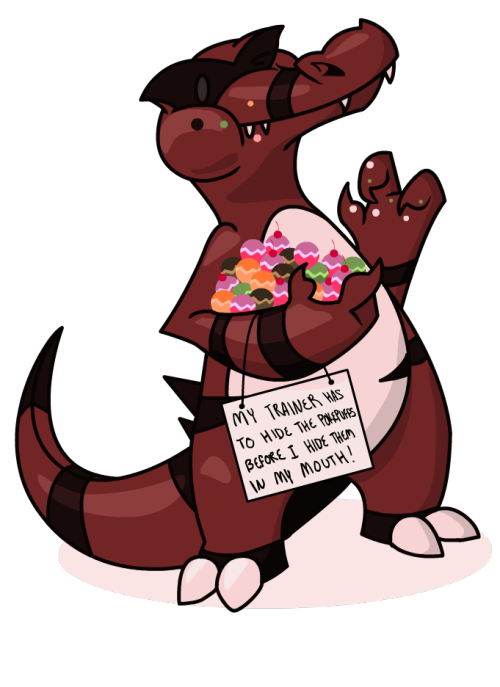 |
| Image courtesy of mrpresidentlincoln.tumblr.com |
 |
| image courtesy of davidmakesart.tumblr.com |
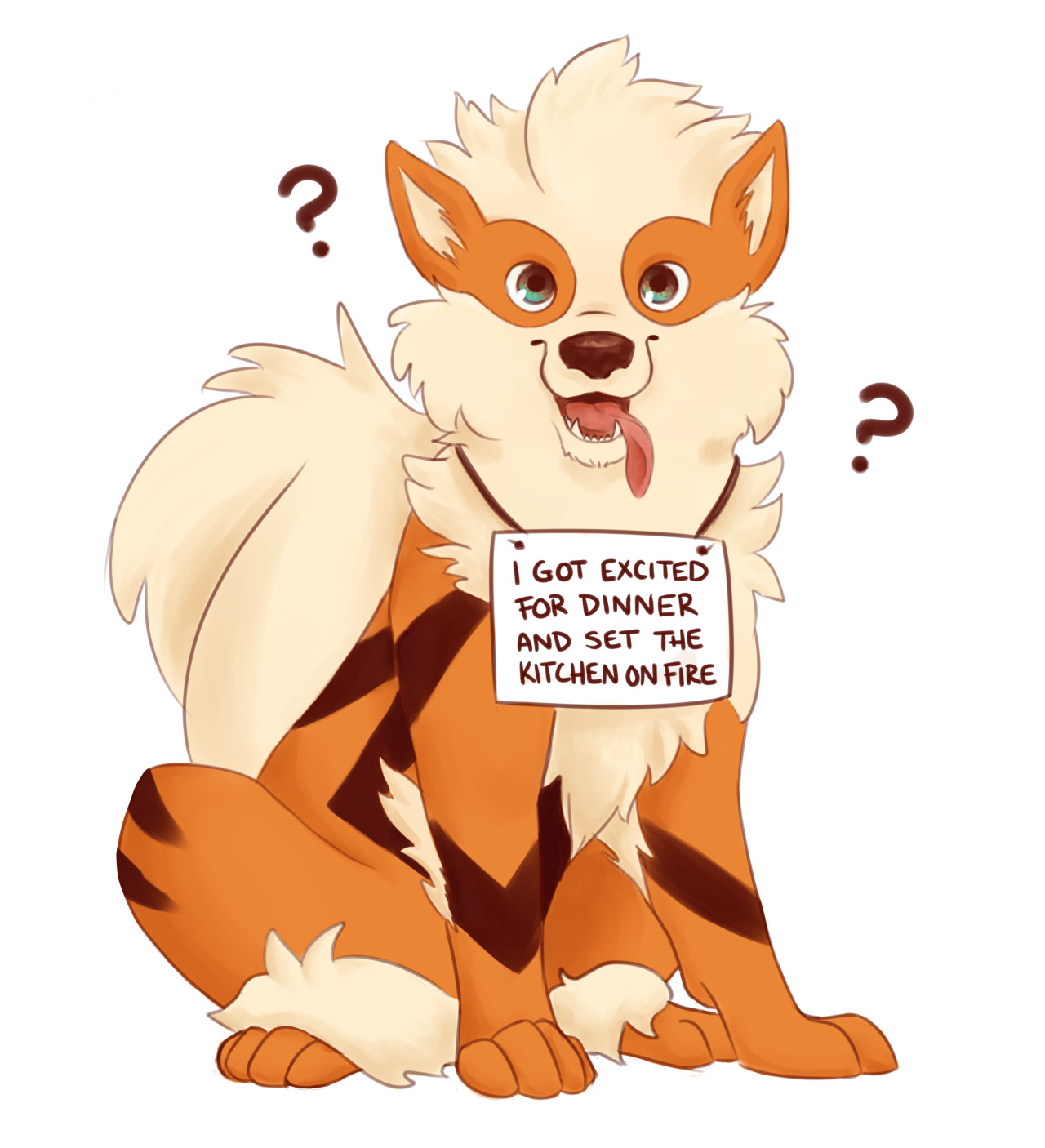 |
| ambersdraws.tumblr.com |
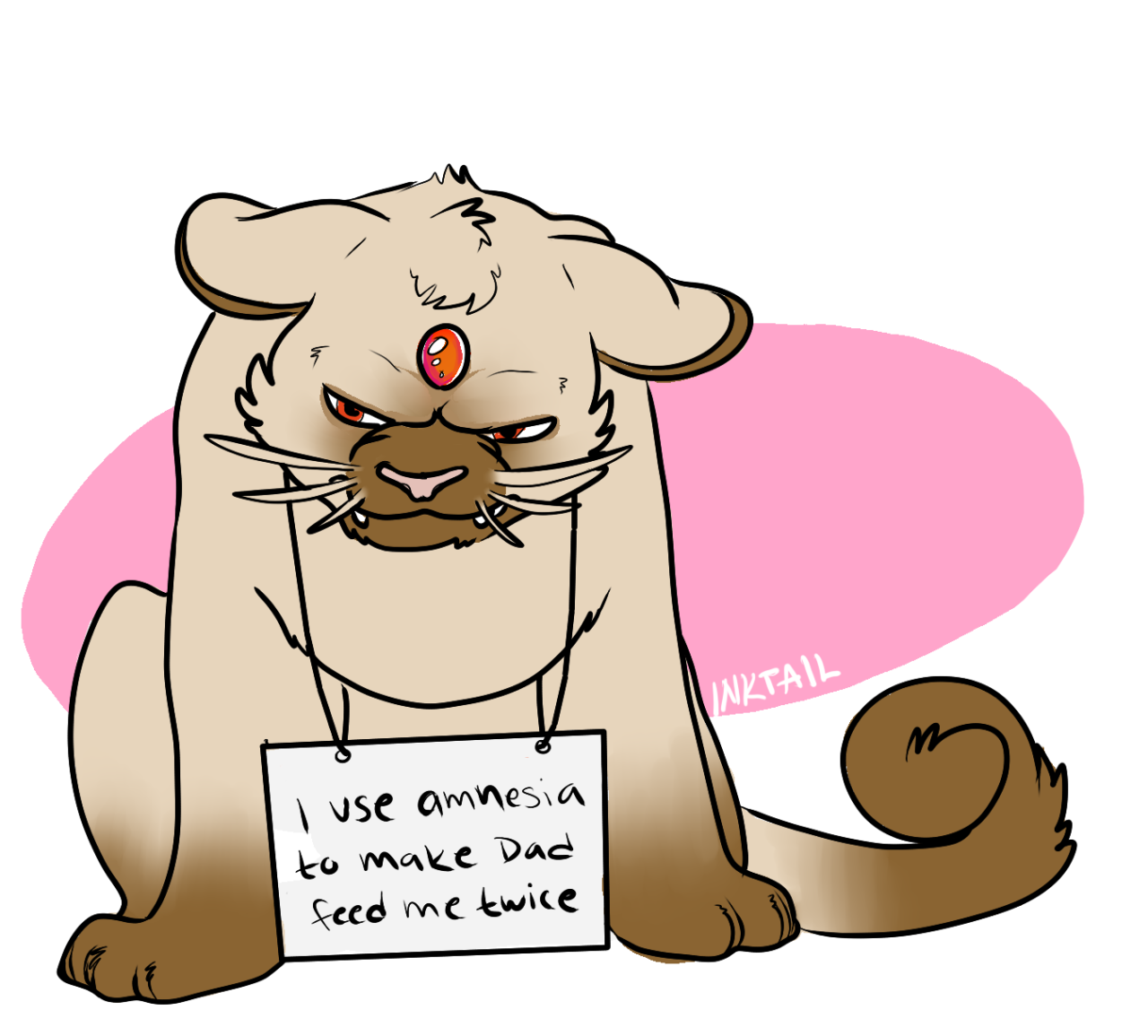 |
| inktail.tumblr.com |
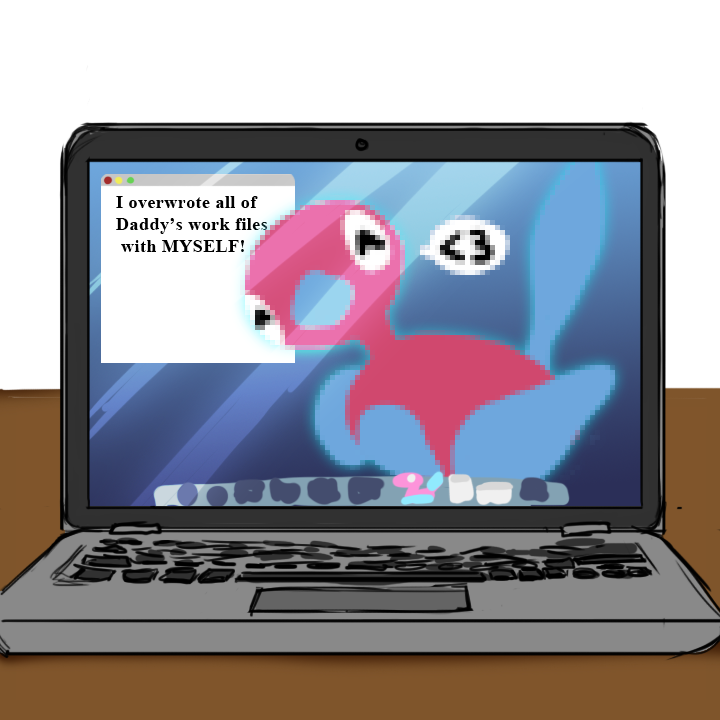 |
| inksword.tumblr.com |
 |
| mineapple.tumblr.com |
 |
| lizapproved.tumblr.com |
 |
| Miles Morales, the current Marvel Ultimates' Spider-Man. Image courtesy of Marvel Comics Group. |
There’s a really interesting conversation happening about comic books and diversity. And it’s largely happening online. Producer Daisy Rosario takes us to Special Edition NYC, a comic book convention, to talk to fans and creators and bring you an overview of just how the conversation is shaping up. People who already follow comics are likely very aware, but for the people who maybe see the movies and don’t know much else, this is a chance to hear it right out of the mouths of the people who are living this. As is true in other art forms, such as film and music, there are a lot of diverse creators making their work independently and with smaller companies. But we are focusing on well-known superhero comics, the type that have a greater reach, for the purposes of this story. First we meet some fans. Then we talk to David Marquez, the artist who draws Miles Morales aka Ultimate Spider-Man. Later we meet Rachel Edidin, former comic book editor for Dark Horse Comics. She is also a writer, podcaster and pop culture journalist who has covered comics, as well as other topics for Wired magazine and more.


Seeing their names there in black and white was just too much, and people began to speak out. Most did so in private, others posted publicly but without naming names. This, I became aware, was because anyone who criticized the pair found themselves subjected to harassment, abuse and real world stalking... This is where Zak excels. He has in the past posted lists of people who he feels have displeased him in some way, complete with their real names. Those people then lists find themselves subjected to sustained campaigns of harassment.
...
While this behavior is alarming, it the choice of victim that is the most telling. These attacks nearly always target women and LGTBQ individuals, mostly freelancers and independent designers. Zak and Pundit have taken pains to defend themselves against accusations of transphobia, but I know several trans people who their fans have attacked and harassed. Zak described one of them as ‘mentally ill’, both he and Pundit told others they would be better off committing suicide. Recently, in a post defending Zak and accusing his detractors of misogyny, his girlfriend attempted to out a trans designer.
The anonymous tumblr Problematic Tabletop started cataloging some of their more public behavior. Fresh waves of hate mail forced designers to delete and hide social media accounts to escape. At the same time Zak put his setting book on sale, using promotional quotes consisting of people calling out his behaviour. This was not unusual, Zak’s business model revolves around publicly being a jerk. He is, quite literally, a career bully.Eventually, Mike Mearls, the lead designer of the newest edition of D&D, asked for people to come to him privately with any stories of harassment on the part of Zak S. and the RPGPundit had engaged in. Days later, Mike Mearls said that he considered of the claims didn't matter, because he couldn't find any evidence of either man using explicit slurs, so the matter was closed as far as he was concerned.
Meanwhile, Zak was publicly speaking on Mearls’ behalf, saying that WOTC had found the claims against him to be baseless. Those who sent Mearls information began to panic, had he just shared their complaints with their harasser? Mearls responded that he had told Zak the claims were baseless, but hadn’t shared any names or details with him. Nevertheless they were not pleased, nor did they feel safe. Why had Mearls consulted with Zak before replying to them? Why was it more important to re-assure Zak he was in the clear than respond to allegations of harassment? Mearls again replied, saying that he was not taking the accusations seriously because some of the people stating them were members of the Something Awful forums... Meanwhile, The RPG Site, operated by someone Mearls hired as a consultant, currently contains such topics as: “Bruce Baugh can go fuck himself with a rusty spoon”, “Why I dislike feminism” and a thread defending the use of the word ‘Jap’ in WW2 settings...
In investigating this story I heard the same tales over and over again. The RPG community is small enough that almost every woman, person of colour or LGTBQ individual seems to have had a run in with Zak or Pundit. The only reason I hadn’t heard about this before is because they are too afraid to speak out. Discussions happen in private, or with the names left out, because both Zak and Pundit are infamous for googling their own names and attacking their critics. Zak even now tries to portray these allegations as prudish conservatives out to smear him due to his involvement in pornography. Yet for that to be true almost every marginalised voice in the RPG community would need to be part of a secret right wing conspiracy. At a certain point you have to accept that that is implausible.WotC has not made a public statement on the matter. All communication has been through private emails and a now-deleted G+ discussion. It's been nearly a month since this brought to light. WotC has been content to soak up praise and admiration for using inclusive language, but wants to dodge responsibility for using two poisonous people as consultants for that same new edition of D&D.
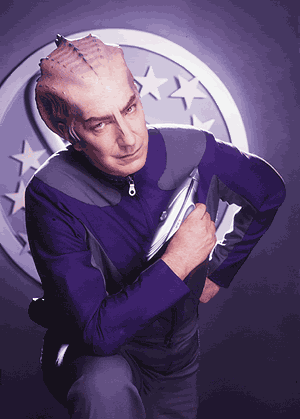 |
| Alan Rickman as Alexander Dane, as Dr. Lazarus Image courtesy of Dreamworks SKG |
Pyle: I heard that Spielberg was there. He came and then he saw my character and makeup and decided she should be a bigger part. I was only supposed to be in two scenes and then they realized they didn’t have another female except Sigourney Weaver. And I just think, “Am I in a dream, because this is ridiculous?” So they added the relationship with Tony Shalhoub’s character.
I had originally not wanted to see [Galaxy Quest] because I heard that it was making fun of Star Trek and then Jonathan Frakes rang me up and said ‘You must not miss this movie! See it on a Saturday night in a full theatre.’ And I did and of course I found it was brilliant. Brilliant. No one laughed louder or longer in the cinema than I did, but the idea that the ship was saved and all of our heroes in that movie were saved simply by the fact that there were fans who did understand the scientific principles on which the ship worked was absolutely wonderful. And it was both funny and also touching in that it paid tribute to the dedication of these fans.

